About you and your setting
Hello, I’m Ellie, also known as thesenteacher94! I’ve spent the last ten years working in specialised education, and it’s a journey I’m incredibly passionate about.
I started out as a teaching assistant after completing my degree in Education, before taking a short detour into social care for a year. That experience gave me a wider perspective on supporting individuals beyond the classroom, which I then brought back with me when I returned to school as a Pastoral Manager.
In 2023, I completed my teacher training on the job, and since then I’ve been teaching in a high-needs, non-speaking autistic provision. I currently work with small classes of 7–9 amazing students, across both primary and secondary settings, no two days are ever the same!
Can you tell us a little bit about your role and the children you work with?
I am a SEND teacher currently working with secondary-aged pupils, where I am responsible for a class of nine students. All of the young people I teach have a primary diagnosis of autism, and many use alternative forms of communication, including high-tech AAC devices, communication boards, gestures, and symbols.
Communication can sometimes be a barrier, and as a result, some of my students may display behaviours that challenge. Understanding the “why” behind these behaviours is a key part of my role, and supporting each student to express themselves in a way that works for them is at the heart of everything I do.
My classroom is a highly sensory learning environment, tailored to meet a wide range of needs and it’s an incredibly rewarding place to be. My students are full of personality, bring so much joy to each day, and make teaching both meaningful and fun.
How important are sensory resources in your day to day provision?
Sensory resources play a hugely important role in my day-to-day provision. Having access to a wide range of sensory tools is essential to support my pupils in regulating their emotions, maintaining engagement, and accessing learning in a way that works for them.
Many of the students I teach are sensory learners, meaning they understand and interact with the world through sensory experiences. Sensory resources help to reduce anxiety, support communication, and provide opportunities for pupils to self-regulate, particularly when they may otherwise become overwhelmed.
In my classroom, these resources are not just an “extra” they are a fundamental part of how we teach and learn. Whether it’s through tactile activities, movement breaks, calming spaces, or sensory circuits, these strategies enable pupils to feel safe, ready to learn, and able to fully participate in their day.
Ultimately, sensory resources allow us to meet each pupil where they are, creating an environment that is both supportive and empowering.
Using the resources
How have you been using the products we sent in your classroom or setting?
Have you used them in a calm area, sensory space, intervention time or as part of lessons you teach / continuous provision?
Which resources have the children been most drawn to so far?
We have been using the fantastic sensory resources from YPO across a wide range of environments within our setting, in the classroom, corridors, outdoor spaces, and even when accessing the community. Their versatility has been a real strength, and my students have responded incredibly positively to them.
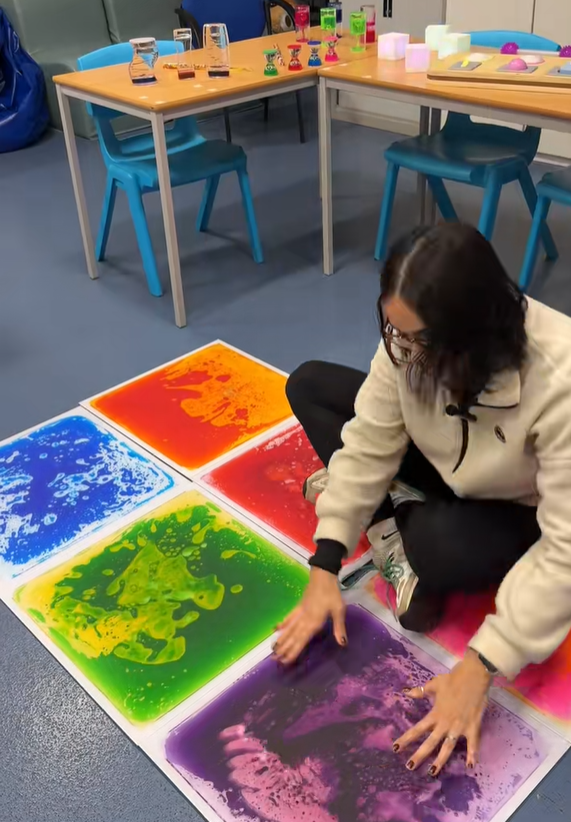
I’ve incorporated the resources into all aspects of our provision, often using a child-led approach to ensure they meet individual needs. For example, one of my students particularly enjoys the weighted sequin blanket, which we regularly use within our calm space to support regulation. The large gel-filled floor tiles have been a huge hit with the whole class and are frequently used as part of our sensory circuits.
We have also made great use of the chunky bracelets and items from the visual effects sensory bag, which are often used during lesson time to help pupils self-regulate and remain engaged.
It’s difficult to single out just one resource as they all serve different purposes across different areas of provision. However, the large gel floor tiles have been especially popular. We’ve even adapted their use by placing them on tables to support sensory needs during moments when pupils may feel overwhelmed.
Overall, these resources have become an integral part of our daily practice, supporting both regulation and engagement in a meaningful way.
Supporting children’s needs
Have you noticed any changes in children’s focus, regulation or engagement when using the sensory resources, if so which resources in particular?
In your experience, do sensory tools help children in your setting feel more regulated and / or ready to learn?
Yes, absolutely! The resources we have been sent have, without a doubt, had a hugely positive impact on my students’ focus, regulation, and engagement. We have seen clear improvements across all areas of emotional regulation, with pupils better able to settle, engage, and remain in learning for longer periods of time.
The weighted sequin blanket has been particularly effective for students who feel overwhelmed. The deep pressure from the weight provides a calming, grounding effect, while the reversible sequins offer a soothing tactile experience. This combination supports both sensory regulation and focus, giving pupils a safe and comforting way to self-regulate when they need it most.
We have also really valued the Switch & Press Fine Motor Board. This resource helps to ground students through repetitive, purposeful actions, supporting fine motor development while also promoting calmness and concentration. It gives pupils an outlet for movement in a controlled way, which can reduce anxiety and help them refocus during or between tasks.
Without a doubt, sensory regulation tools are essential in helping children feel settled and ready to learn. I strongly believe in “regulation before education”, pupils need to feel safe, understood, and regulated before any demands are placed on them. Meeting sensory needs is not an added extra; it is a fundamental part of supporting our students every day. YPO offers an incredible range of resources that make this possible, and they have truly enhanced our provision.
Favourite resources
Which of the products have been the most useful in your setting and why?
Were there any that surprised you with how much the children enjoyed them?
It’s probably clear from everything I’ve shared that both my personal favourite and the children’s has been the large gel floor tiles. The sensory feedback they provide is incredibly engaging, offering both visual and tactile stimulation that supports regulation, exploration, and play. They are versatile and can be used in a variety of ways, which has made them a consistent feature in our daily provision.
I was also pleasantly surprised by how much the children enjoyed the auditory and visual sensory bags. These have become a great addition to different lessons, allowing pupils to explore in a way that feels accessible and engaging. We now keep some of these resources readily available in our sensory boxes, so children can independently access them whenever they need support with regulation.
Are there any resources you feel would be especially helpful for SEND classrooms or nurture spaces?
In terms of what is especially helpful for SEND classrooms or nurture spaces, I would say durable, cause-and-effect, and calming resources are essential. Many resources are not always designed with SEND learners in mind and can break easily with repeated use. However, we have not experienced this with the YPO resources, they are robust and well-made, which is incredibly important for both staff and pupils. Having reliable, engaging sensory tools that can withstand daily use makes a huge difference in creating a supportive and effective learning environment.
Do you feel these types of products would work well in both specialist and mainstream classrooms?
Yes, absolutely! These types of products are incredibly valuable in both specialist and mainstream classrooms. Having previously worked in mainstream settings, I often felt there was not enough access to sensory resources to fully support all learners.
The reality is that all children have sensory needs to some degree, some may simply require more support than others. Sensory tools are not just for children with identified SEND; they can benefit any pupil by supporting focus, reducing anxiety, and promoting emotional regulation.
In a classroom environment, sensory resources can help children to stay engaged, manage overwhelm, and access learning more effectively. Simple tools such as tactile items, movement-based resources, or calming visuals can make a significant difference in helping pupils feel settled and ready to learn.
Incorporating sensory resources into both specialist and mainstream settings creates a more inclusive environment, where all children have the opportunity to regulate, engage, and succeed. Again, I would say this in both mainstream and specialist, regulation over education, is the most important thing to support our young people.
Ellie’s Shopping List
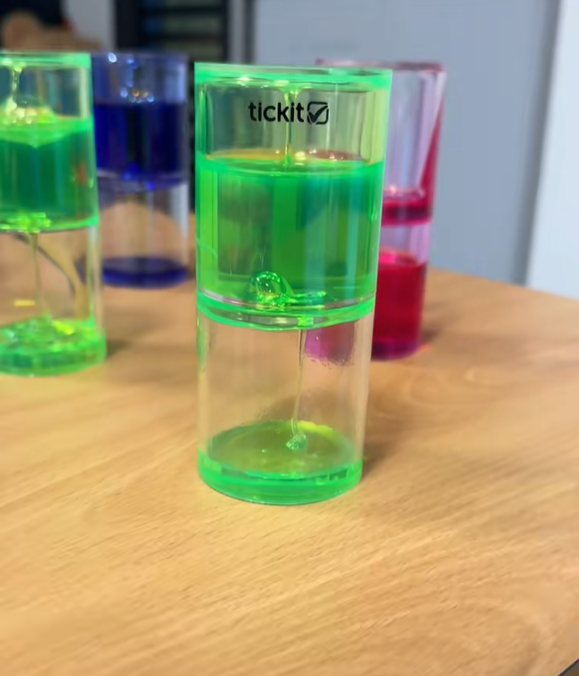
tickit Sensory Ooze Tube Set - Pack of 3 - 806450
Sensory Bags with Window - Set of 6 - 308811
Dinosaur Sensory Shapes - Set of 4 - 309610
Large Gel Filled Floor Tiles - Pack of 6 - D41819
YPO Auditory Sensory Bag - D40494
Visual Effects Sensory Bag - D40493
Light Up Cubes - Assorted Colours - Set of 4 - 309599
Sounds of Rain Sensory Tubes - 309318
Explore our collection of more than 900 products designed specifically for SEND classrooms. Follow the link here to browse the full range and create an exceptional SEND learning environment.



.ashx?h=225&iar=0&mh=411&mw=730&w=400)